Welcome to the Bahá’í Community
Our Community
The Bahá’í Faith in Mauritius and in Rodrigues focuses on building united and spiritually vibrant communities through education and service. Bahá’ís organize children’s classes, junior youth groups, and study circles to nurture moral values and social responsibility. Devotional gatherings are held regularly across the island, fostering reflection and unity. Youth empowerment is a major focus, encouraging young people to contribute to the betterment of society.
Bahá'ís reside in well over 100,000 locaties in the world
Present across all districts in Mauritius
Introduced in Mauritius after the arrival of a Bahá’í pioneer in 1953
What Bahá’ís Believe
Throughout the ages, humanity’s spiritual, intellectual and moral capacities have been cultivated by the Founders of the great religions, among them Abraham, Krishna, Zoroaster, Moses, Buddha, Jesus Christ, Muḥammad, and—in more recent times— the Báb and Bahá’u’lláh.
History of the Bahá’í Faith in Mauritius
The Bahá’í Faith was introduced to Mauritius in 1953 by a German named Ottilie Rhein. Miss Rhein arrived in Mauritius on 11 November 1953 from the United States. She met the proprietor of a shop, Mr. Yim Lim, who became the first Mauritian to join the Faith. By 1956, there were more than 100 Bahá’ís. The Bahá’í Faith has been officially recognized in Mauritius since 1966. The Bill of Incorporation, approved by the Parliament with the assent of Governor Sir John Shaw Rennie, recognized the Bahá’í Faith as an independent religion with its own autonomy to manage the affairs of the Faith in the country. In addition, the Faith is a founding member of the Mauritius Council of Religions and interacts with civil society and the Mauritian government to share Bahá’í perspectives on diverse topics.
Central Figures of the Faith
The Báb
The Báb is the Herald of the Bahá’í Faith. In the middle of the 19th century, He announced that He was the bearer of a message destined to transform humanity’s spiritual life. His mission was to prepare the way for the coming of a second Messenger from God, greater than Himself, who would usher in an age of peace and justice.
Bahá’u’lláh
Bahá’u’lláh—the “Glory of God”—is the Promised One foretold by the Báb and all of the Divine Messengers of the past. Bahá’u’lláh delivered a new Revelation from God to humanity. Thousands of verses, letters and books flowed from His pen. For this, He endured 40 years of imprisonment, torture and exile.
'Abdu’l-Bahá
In His will, Bahá’u’lláh appointed His oldest son, ‘Abdu’l-Bahá, as the authorized interpreter of His teachings and Head of the Faith. Throughout the East and West, ‘Abdu’l-Bahá became known as an ambassador of peace, an exemplary human being, and the leading exponent of a new Faith.
What Bahá’ís Do
The betterment of the world can be accomplished through pure and goodly deeds, through commendable and seemly conduct.
Bahá’u’lláh
Bahá’ís around the world are dedicated to cultivating vibrant communities. To do so, they gather people of all age groups and backgrounds in activities that aim to empower individuals to become agents of positive change in their own communities. They organize regular gatherings for prayer, reflection, and study that help bring people together and foster spiritual growth. In summary, what Bahá’ís do is rooted in the belief that the transformation of society and the transformation of the individual form part of a twofold process. Through acts of service, a commitment to justice, and the promotion of unity, Bahá’ís work toward the realization of a peaceful and prosperous global community.
Social Action
Bahá’í efforts of social action seek to promote the social and material well-being of people of all walks of life, whatever their beliefs or background. Such efforts are motivated by the desire to serve humanity and contribute to constructive social change. Together they represent a growing process of learning concerned with the application of the teachings of Bahá’u’lláh, along with knowledge accumulated in different fields of human endeavour, to social reality.
Participation in the Discourses of Society
Over the years, the Bahá’í community has come to refer to one aspect of its efforts to contribute to the advancement of civilization as participation in the discourses of society. At any given moment, and in social spaces at all levels of society, there are a range of ongoing discourses concerned with various aspects of humanity’s wellbeing and progress: discourses on such subjects as the equality of women and men, peace, governance, public health, and development, to name but a few.
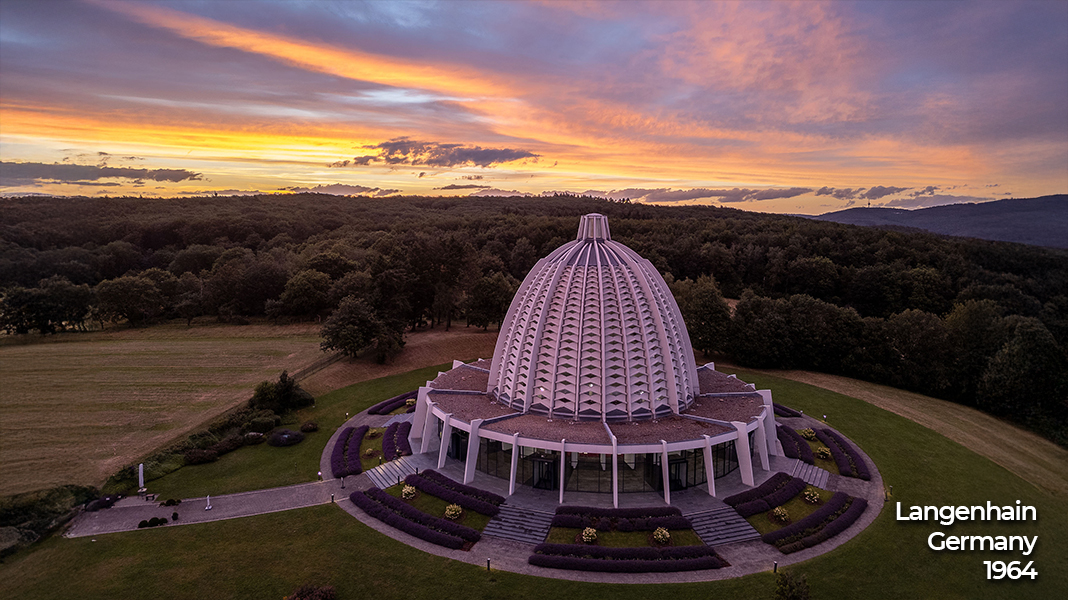
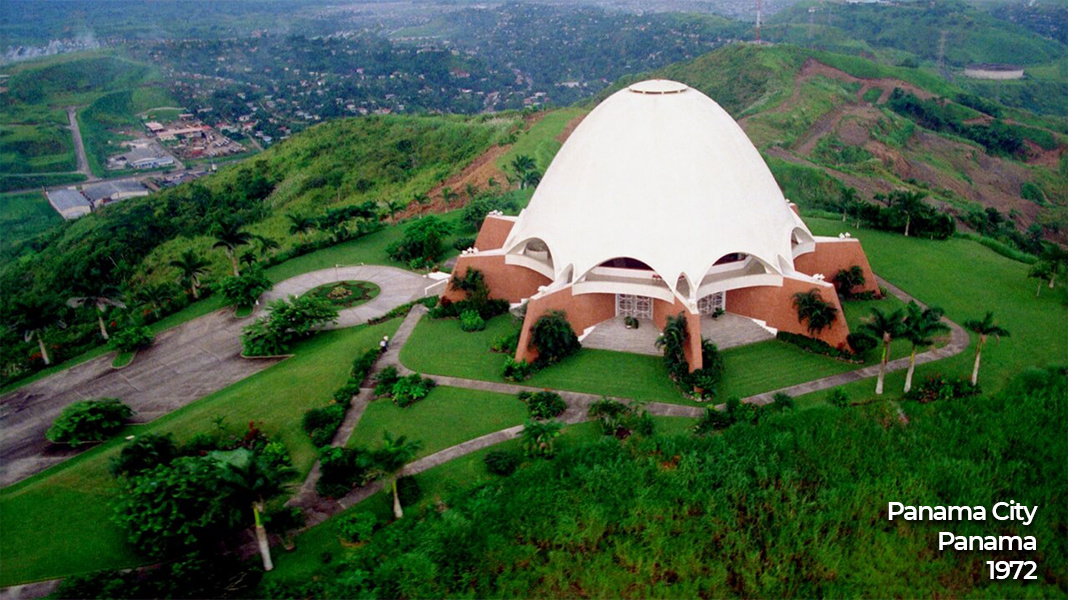
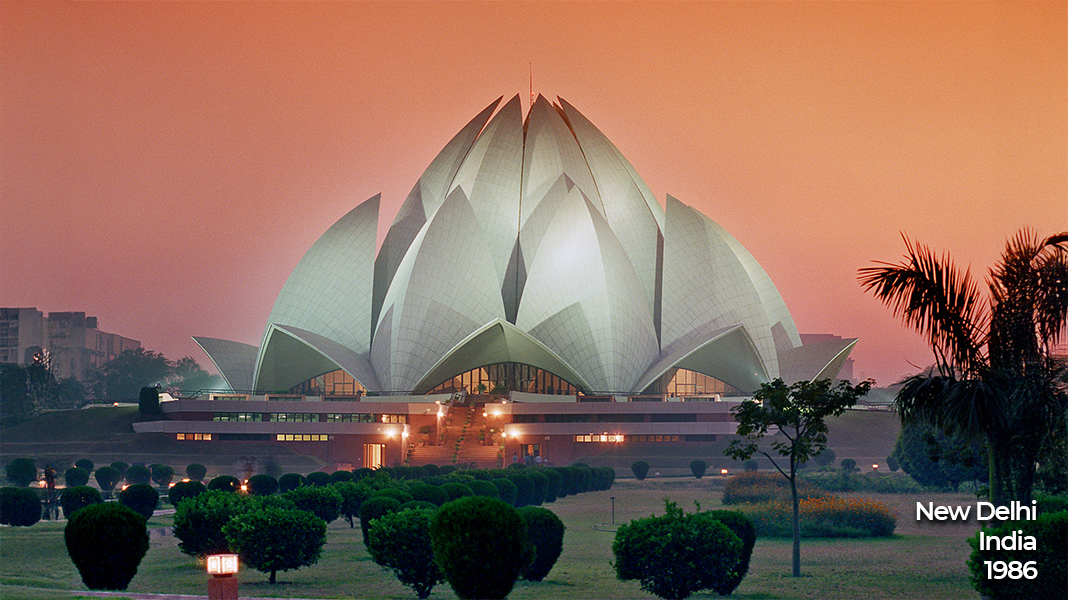
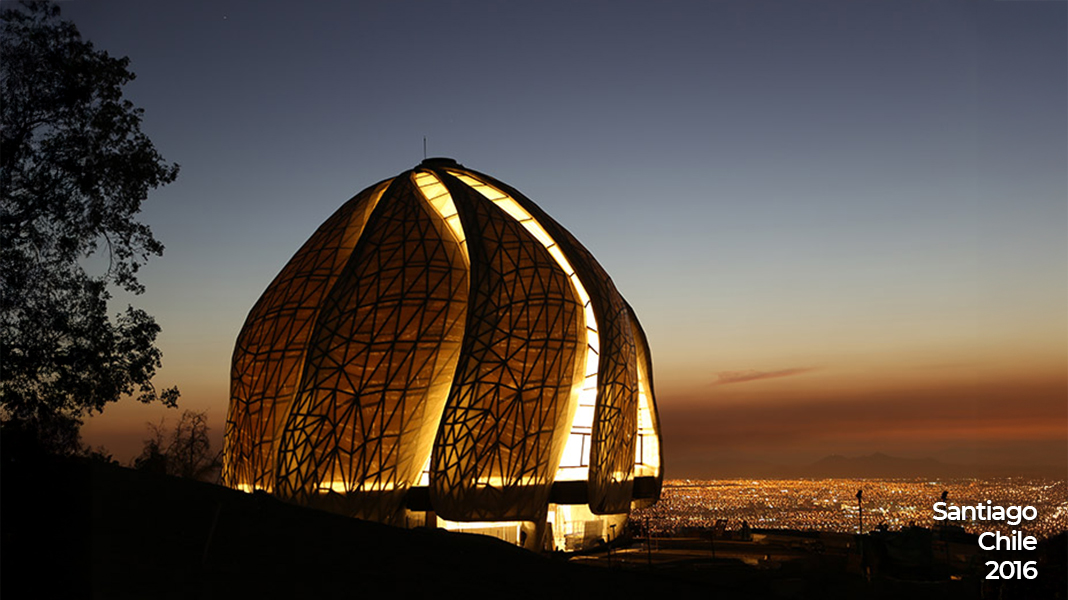
Houses of Worship around the World
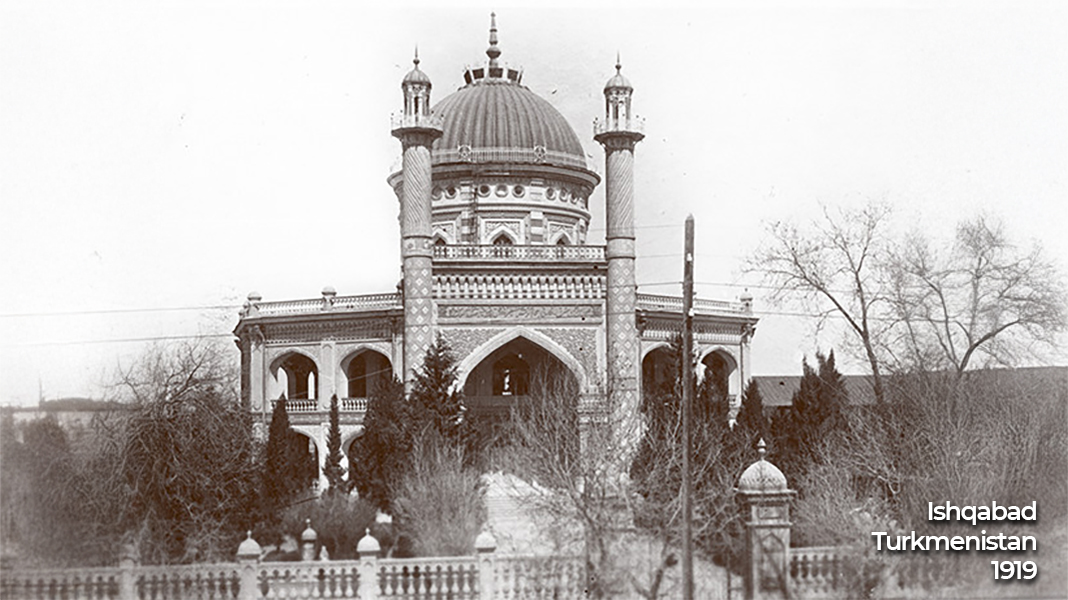
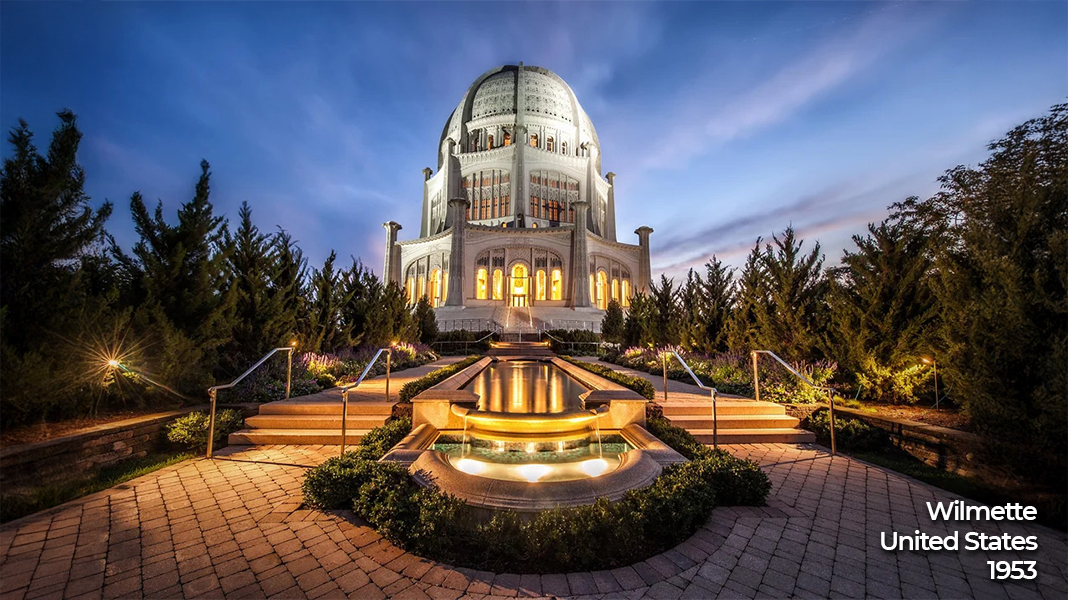
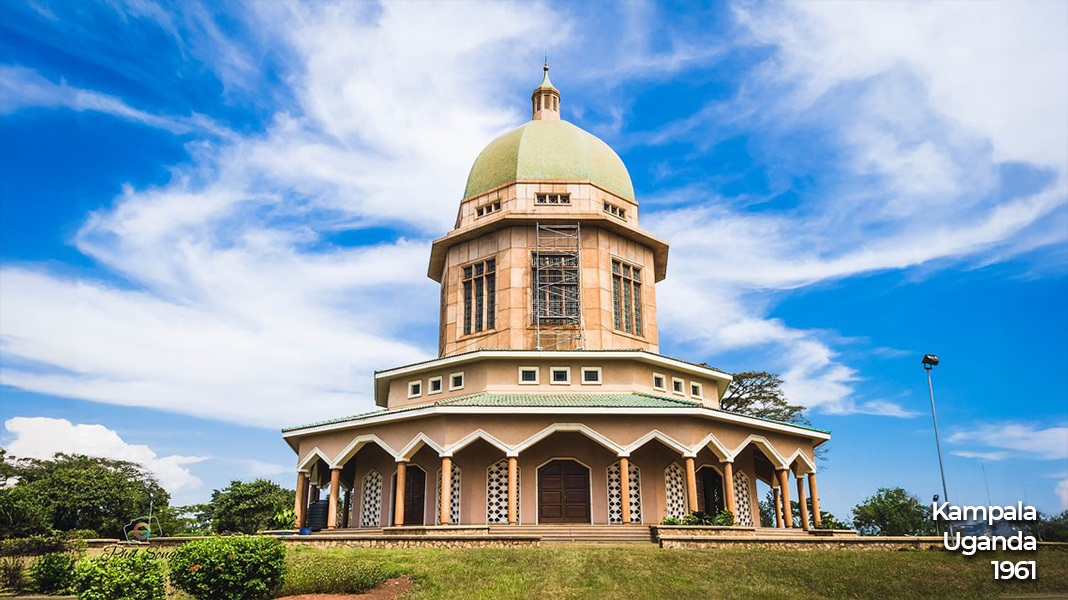
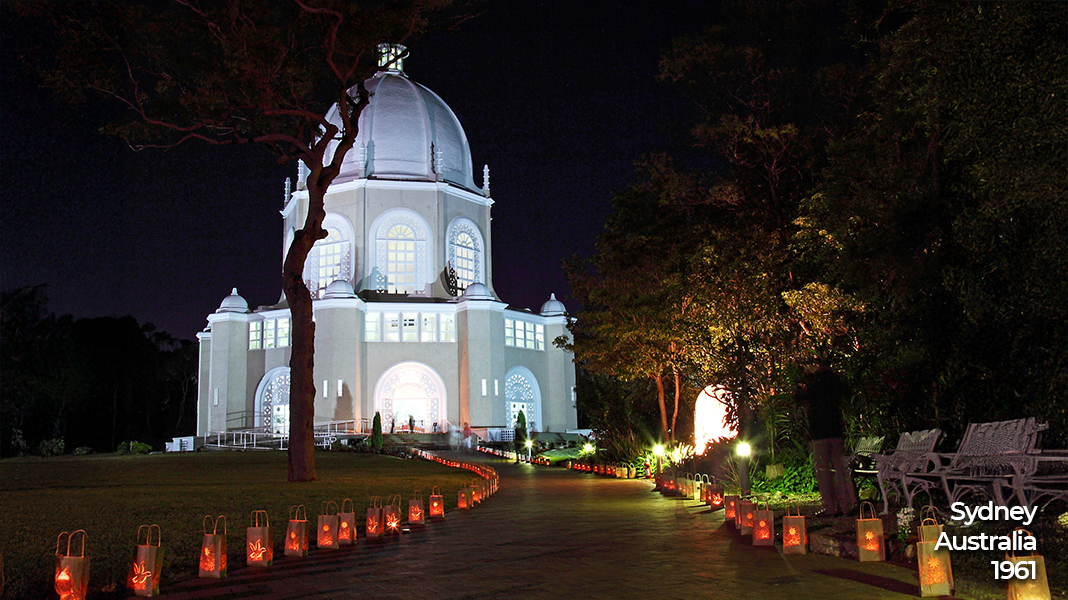
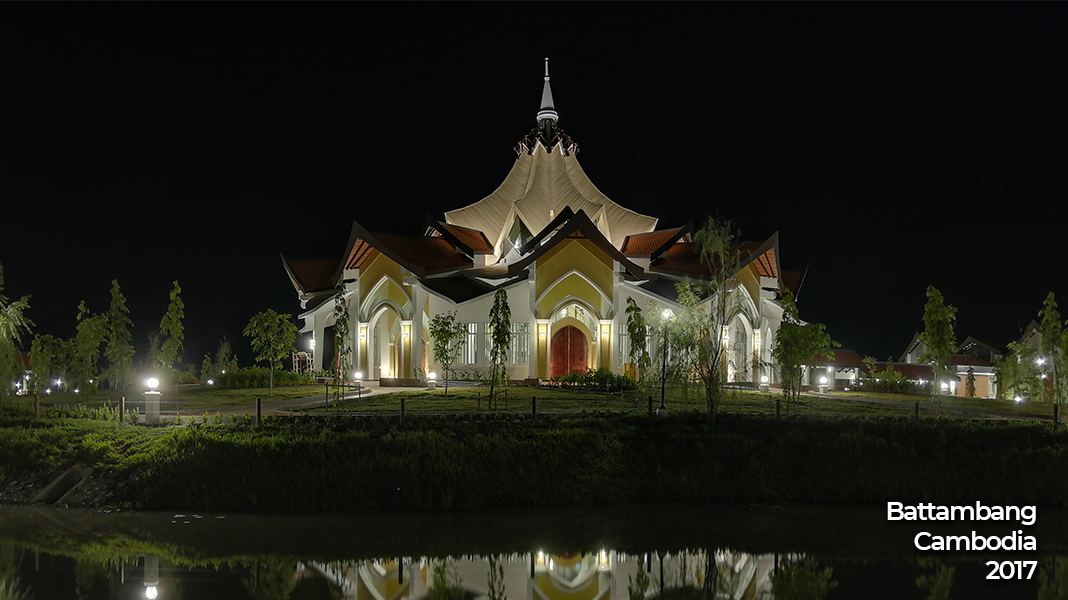
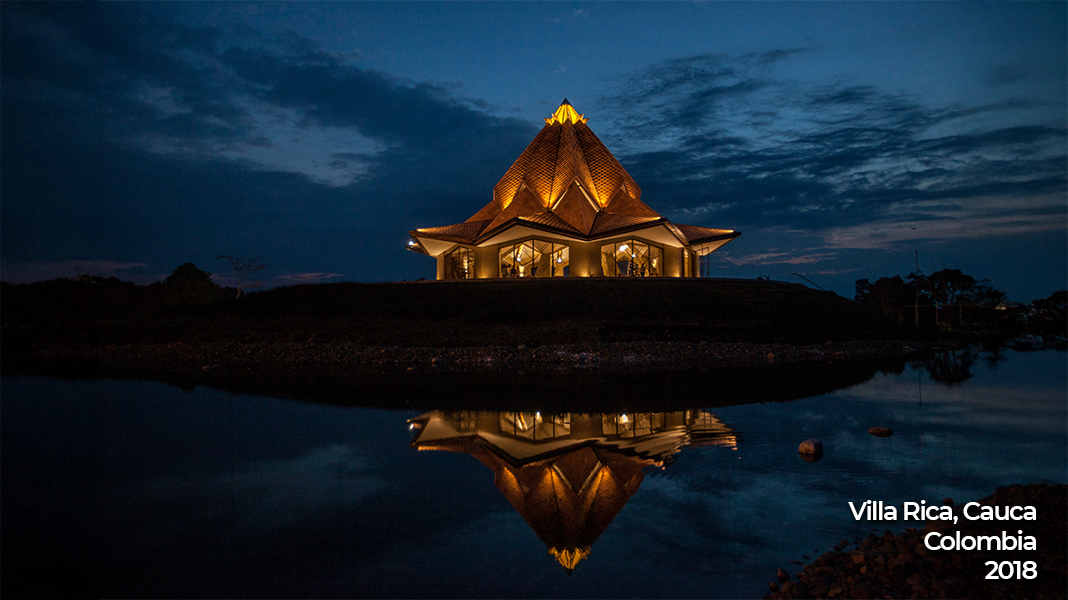
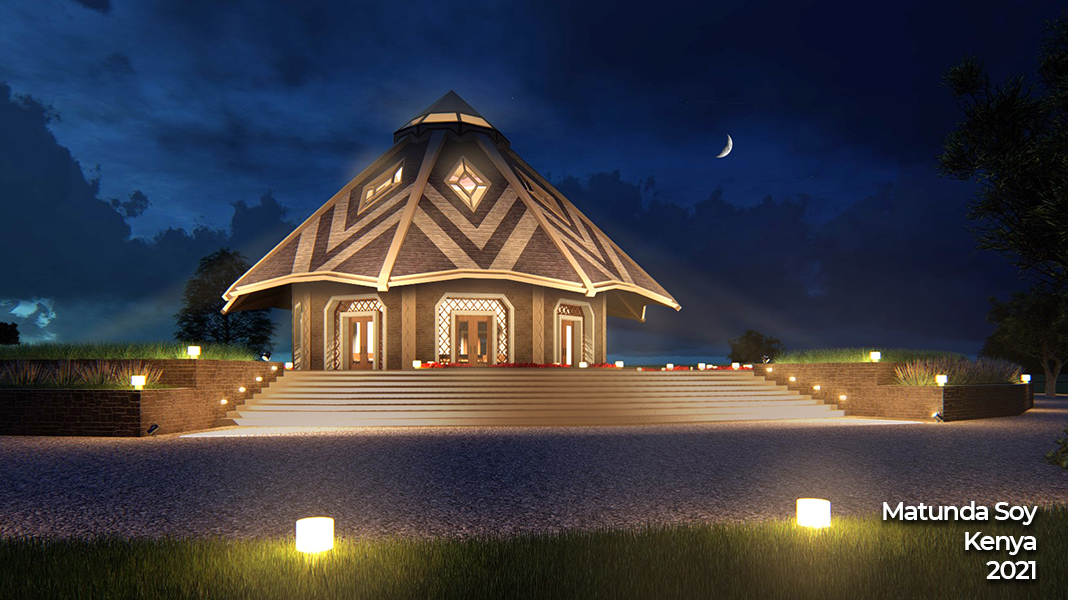
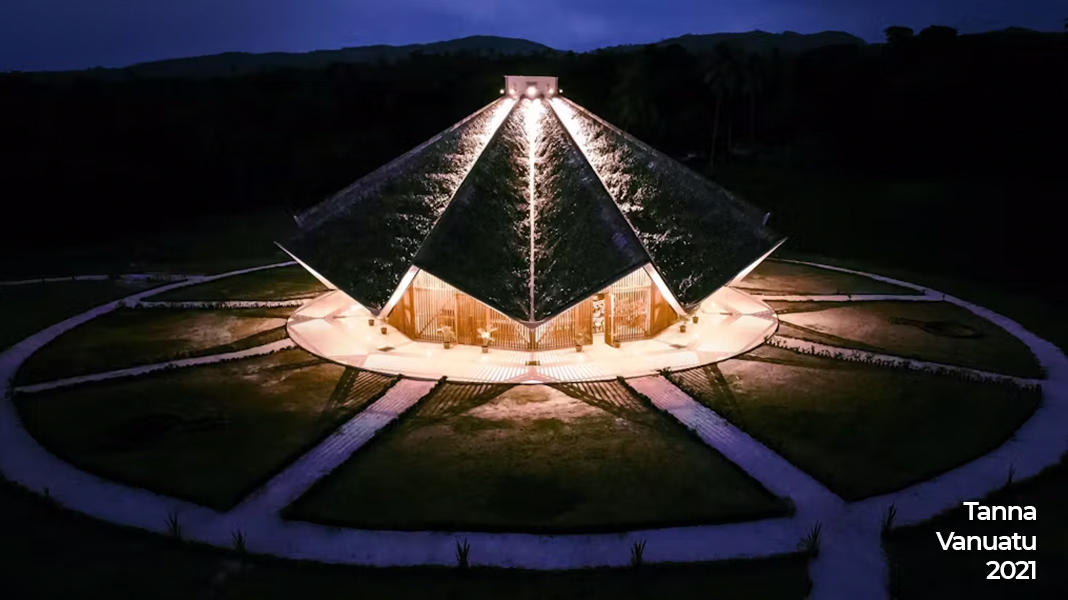
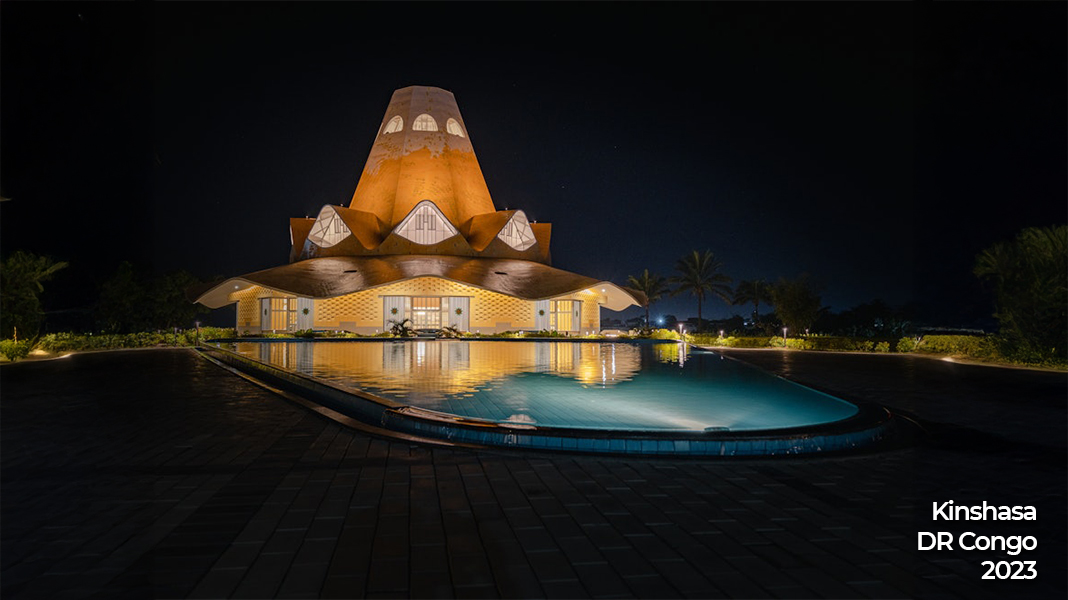
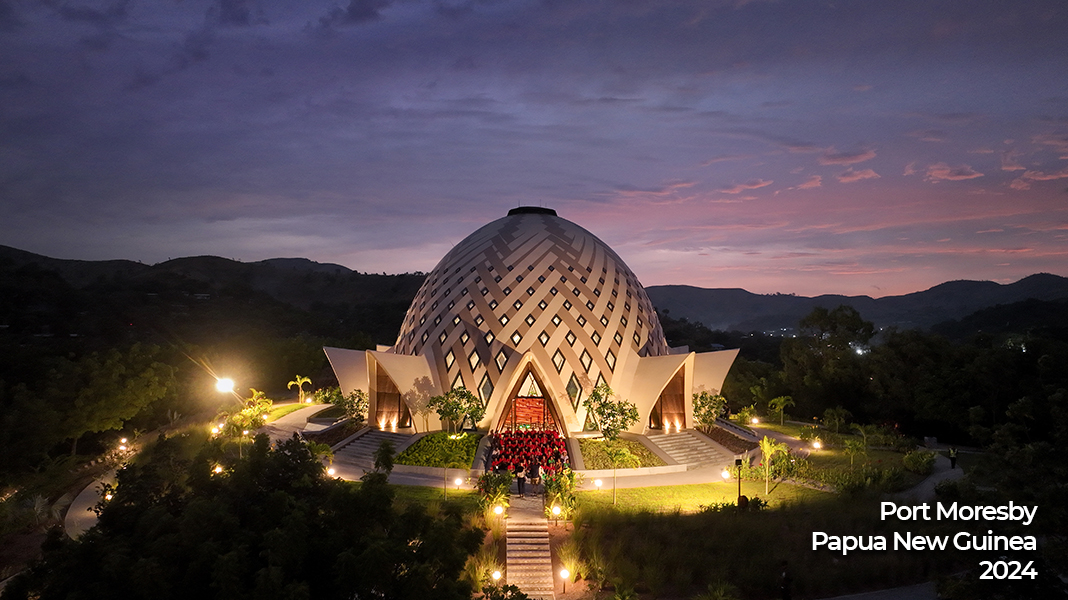
The institution of the Mashriqu’l-Adhkár, translated as “The Dawning Place of the Mention of God”, was ordained by Bahá’u’lláh Himself. It is a pivotal concept of Bahá’í community life, giving concrete expression to the unity of devotion and service. Bahá’ís in localities throughout the world are today planting seeds from which Mashriqu’l-Adhkárs will eventually grow. The process begins with simple efforts to open personal and collective spaces for prayer. Acts of service then become integrated into an evolving pattern of activity and more sustained efforts to infuse aspects of community life with a devotional spirit become possible. The eventual establishment of a physical edifice marks another important stage in the fulfilment of Bahá’u’lláh’s vision for Houses of Worship.


Let your vision be world embracing – Bahá’u’lláh
- hello@bahai.mu
- (+230) 285-0118